Source saltwater fishing bucktail teasers for Ocean Boat, Shore, and Rock Fishing
Compare 30 listings for saltwater fishing bucktail teasers from suppliers in Weihai, China. Buyers can evaluate models like SFRS-015 and octopus daisy chain lures with features including waterproof double locking and super light graphite bodies for professional sea fishing applications.
Key considerations
Products List


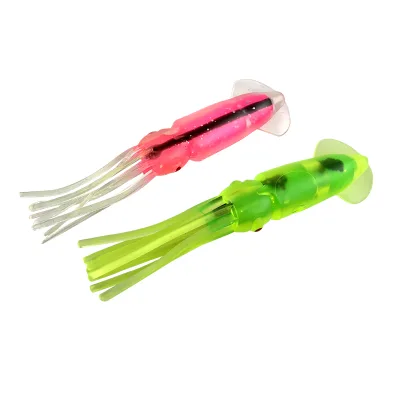
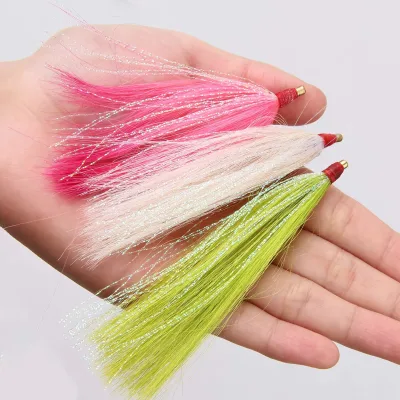
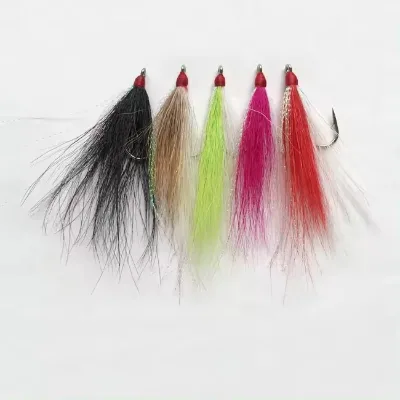
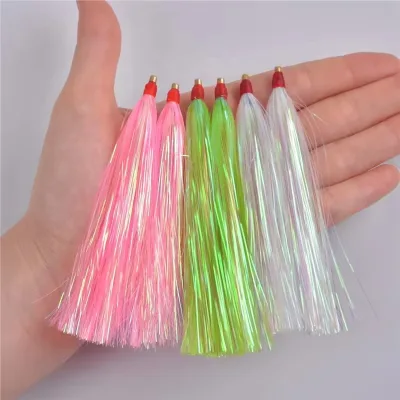
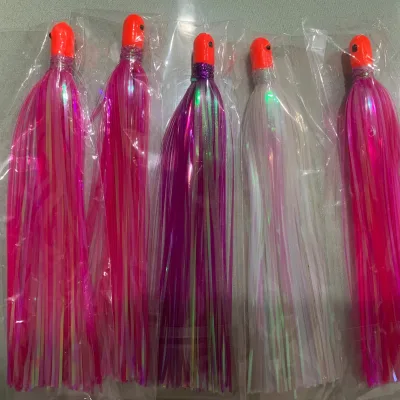
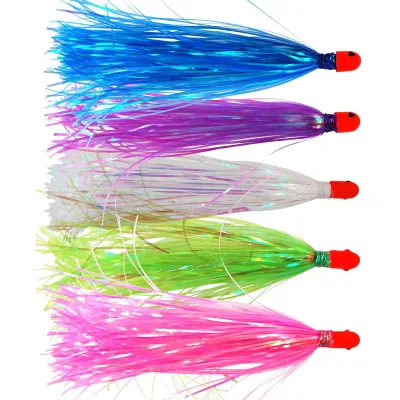
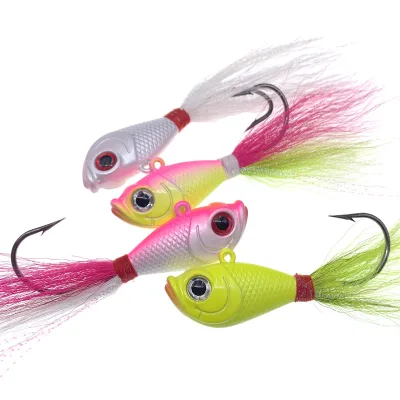


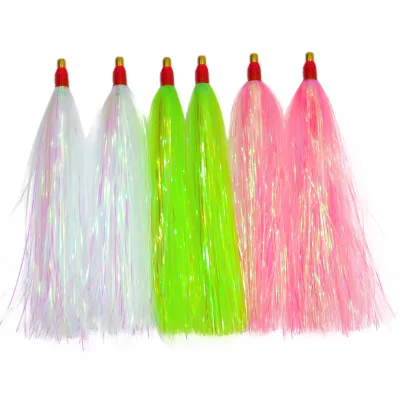
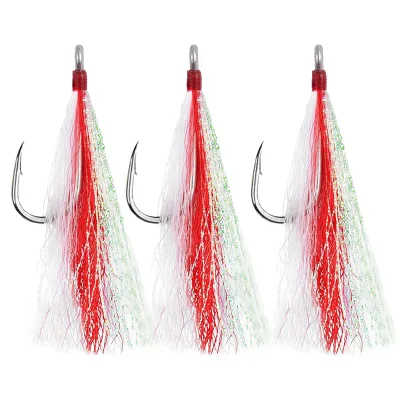
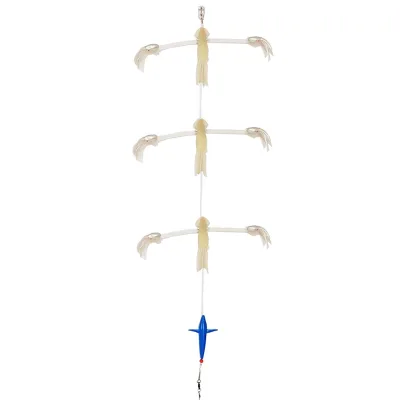
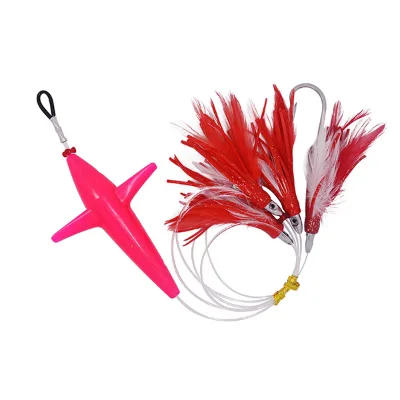
Comprehensive Sourcing Guide
Strategic Sourcing Guide for Saltwater Fishing Bucktail Teasers
The global market for saltwater fishing tackle has seen a sustained increase in demand for high-performance artificial lures, particularly bucktail teasers designed for offshore and coastal environments. For procurement professionals and B2B buyers, sourcing these specific items requires a nuanced understanding of material science, manufacturing tolerances, and supply chain logistics. The core keyword "saltwater fishing bucktail teasers" represents a category where performance is directly tied to the precision of the forging process and the durability of the materials used in harsh marine conditions. This guide provides a structured approach to evaluating suppliers, verifying product specifications, and managing the procurement lifecycle for these critical fishing components.
Technical Specifications and Material Composition
When evaluating saltwater fishing bucktail teasers, the primary technical differentiator lies in the construction of the body and the attachment mechanism. Based on available industry data, the body of these lures is frequently constructed from a composite of graphite, nylon, and aluminium. This combination is selected to achieve a "super light" weight profile while maintaining the structural integrity required for high-speed trolling. The use of aluminium suggests a focus on corrosion resistance, a non-negotiable attribute for saltwater applications, while graphite and nylon contribute to the flexibility and hydrodynamic shape necessary for effective action in the water.
The manufacturing technique is equally critical. High-quality teasers are often produced using forging, rolling, and CNC machine processes. These methods ensure that the metal components, such as the butt or connector points, possess consistent grain structures and precise dimensions. For instance, specific models like the SFRS-015 utilize these advanced machining techniques to create components that can withstand the high G-forces generated during trolling. The "Trolling Fishing Bent Butt" grade indicates a specialized curvature designed to optimize the lure's swimming action and reduce line drag.
Furthermore, the locking mechanism is a vital specification. Teasers must feature a "double locking" system to prevent the loss of the lure or the separation of the chain during a strike. This feature is often paired with a waterproof design to protect internal moving parts from saltwater intrusion. The packaging standards vary, with options ranging from poly bags to cartons and blister boxes, depending on the specific model and the buyer's requirements. For example, some soft bait variants are packed in PP bags, while others require the protection of a blister box to prevent deformation during transit.
Compliance, Certification, and Origin Verification
In the B2B procurement of fishing gear, verifying the origin and adherence to standards is essential for risk management. The majority of the supply chain for these specialized lures is concentrated in Weihai, China, a region known for its extensive fishing tackle manufacturing ecosystem. Buyers must confirm that the supplier's production facility is located in this specific region to ensure access to the specialized labor and supply chain infrastructure required for high-precision CNC machining and forging.
Regarding certifications, while specific third-party certifications like ISO 27001 may appear in general industry backgrounds, they are not explicitly confirmed for every listed product in the current dataset. Therefore, buyers should not assume a supplier holds these certifications without direct verification. Instead, the procurement strategy should focus on verifying the "OEM" (Original Equipment Manufacturer) standard. This indicates that the supplier is capable of producing goods to the buyer's specific design and quality requirements, rather than selling generic off-the-shelf items. The "OEM" standard also implies a level of quality control where the manufacturer is contractually bound to meet the buyer's specifications for materials and finishing.
Buyers should also be aware of the "Sea" and "Shore" location tags associated with these products. These tags describe the intended fishing environment rather than the manufacturing location. A product tagged for "Sea" usage must be rigorously tested for saltwater corrosion, whereas "Shore" products might have slightly different durability requirements. It is imperative to cross-reference these usage tags with the material composition to ensure the lure is suitable for the specific target environment, whether it be ocean rock fishing, ocean boat fishing, or freshwater reservoirs.
Cost Drivers and Pricing Dynamics
The pricing structure for saltwater fishing bucktail teasers is influenced by several distinct factors, primarily material costs, manufacturing complexity, and order volume. The observed price range in the market spans from $0.15 to $50 USD per unit. This wide variance is not indicative of a single product line but rather reflects the diversity of the category, which includes simple soft baits to complex, multi-component teaser assemblies.
The primary cost driver is the material composition. Products utilizing aluminium and graphite composites will inherently cost more than those made from PVC or basic soft plastics. The "Super Light" attribute often commands a premium due to the precision required in CNC machining to remove material without compromising strength. Additionally, the "Double Locking" and "Waterproof" features add to the manufacturing cost, as they require more complex assembly processes and higher-quality seals.
Order volume plays a significant role in the final unit price. The Minimum Order Quantity (MOQ) for these products typically ranges from 100 to 1,000 pieces per color. Suppliers often offer tiered pricing, where the unit cost decreases as the order volume increases. For instance, an order of 1,000 pieces per color may yield a significantly lower per-unit cost compared to an order of 100 pieces. Buyers must balance the need for inventory depth with the upfront capital required to meet the MOQ. The "M.O.Q: 1000pcs/Color" specification for certain soft bait categories highlights that customization often comes with a higher volume commitment.
Typical Applications and Usage Scenarios
Saltwater fishing bucktail teasers are versatile tools designed for a wide array of fishing techniques and environments. The "Application" is broadly categorized as "Fishing Professional," indicating that these products are intended for serious anglers and commercial operations rather than casual recreational use. The specific "Fishing Technique" includes float fishing, pole fishing, handline fishing, lure fishing, and sea fishing. This versatility allows buyers to target a diverse customer base.
The "Position" attribute further details the specific environments where these teasers excel. They are suitable for stream, river, lake, ocean beach fishing, ocean boat fishing, ocean rock fishing, reservoir ponds, and other freshwater or saltwater locations. The "Teaser Bird Fishing Lure" and "Octopus Daisy Chain Fishing Lure" models, for example, are specifically engineered for deep-sea trolling, where the visual attraction of the teaser is crucial for drawing in large pelagic species.
The "Deer Tail Fly Lure" and similar soft bait variants are designed to mimic natural prey, making them effective in both freshwater and saltwater scenarios. The "Hooks: Without Hooks" specification for certain soft lures indicates that these are often used as skirt components or as part of a larger assembly where the buyer may prefer to source hooks separately or use a specific hooking system. This modularity allows for customization based on the target species and local fishing regulations.
Supplier Evaluation and Service Capabilities
When selecting a supplier for saltwater fishing bucktail teasers, the evaluation criteria must extend beyond price to include service capabilities and customization options. The "Customization: Available" attribute is a key indicator of a supplier's flexibility. Buyers should verify that the supplier can accommodate specific requests regarding color, packaging, and branding. The "Color: Gold/Customised" option suggests that suppliers can produce lures in standard metallic finishes or custom colors to match brand identity.
The "Service: OEM" designation is critical for buyers looking to build their own brand. This service implies that the supplier can handle the entire production process, from design to final packaging, under the buyer's brand name. Buyers should inquire about the supplier's capacity to handle "Secured" payment terms, which often indicates a mature supply chain with established financial protocols.
Additionally, the "Brand Name: AGITEK" appears in the dataset, serving as an example of a manufacturer that may offer private label opportunities. However, buyers should not limit their search to a single brand. Instead, they should evaluate multiple suppliers based on their ability to meet the "OEM" standard and their track record for delivering consistent quality. The "Single package size: 20X15X15 cm" and "Weight: 12g" are specific data points that buyers should use to calculate shipping costs and storage requirements, ensuring that the supplier's packaging aligns with their logistics strategy.
Quality Control and Long-Term Procurement Considerations
Quality control in the fishing tackle industry is paramount, as product failure can lead to lost inventory and damaged brand reputation. Buyers must implement rigorous quality checks, focusing on the "Condition: Printed" aspect of the packaging and the physical integrity of the lure. The "Forging Rolled CNC Machine" process should be monitored to ensure that the metal components are free from defects such as cracks or uneven surfaces.
For long-term procurement, buyers should consider the "prod_packing" options. Whether the product is packed in a "Poly Bag," "in Carton," "in PP Bag," or "in Blister Box," the packaging must protect the lure from moisture and physical damage during transit. The "Standard: 10inch" and "Standard: deer tail fly lure" specifications highlight the need for consistent sizing. Buyers should request samples to verify that the actual product dimensions match the listed specifications, as even minor deviations can affect the lure's performance.
Furthermore, the "Location: Sea" and "Location: Shore" tags should be used to validate the product's suitability for the intended market. A product designed for "Shore" fishing may not perform adequately in "Ocean Boat Fishing" scenarios. Buyers should request test data or performance claims from the supplier to confirm the lure's durability in the specific environment they intend to target. Finally, maintaining a relationship with a supplier that offers "Secured" payment terms and flexible MOQs will ensure a stable supply chain, allowing the buyer to scale operations without facing significant disruptions.
Conclusion
Sourcing saltwater fishing bucktail teasers requires a meticulous approach that balances technical specifications, cost efficiency, and supplier reliability. By focusing on the material composition, manufacturing techniques, and specific usage scenarios, buyers can identify products that meet the high standards of professional fishing. The wide range of options, from simple soft baits to complex CNC-machined teasers, offers significant opportunities for differentiation in the market. However, success depends on rigorous supplier evaluation, clear communication of OEM requirements, and a commitment to quality control. As the market continues to evolve, staying informed about the latest specifications and maintaining strong relationships with verified manufacturers will be essential for long-term procurement success.
FAQs
What materials are used for saltwater fishing bucktail teasers?
The body is frequently constructed from a composite of graphite, nylon, and aluminium. This combination achieves a super light weight while maintaining structural integrity for high-speed trolling in harsh marine conditions.
Which manufacturing techniques ensure high performance for these teasers?
High-quality teasers are produced using forging, rolling, and CNC machine processes. These methods ensure consistent grain structures and precise dimensions for components like the trolling fishing bent butt.
Can buyers request customization for color and branding?
Yes, customization is available for color and branding options. Suppliers can produce lures in gold or customised colors and offer OEM services to meet specific design and quality requirements.
What is the typical minimum order quantity for these products?
The minimum order quantity typically ranges from 100 to 1000 pieces per color. Specific soft bait categories may require a minimum order of 1000 pieces per color for customization.
Where are the manufacturing facilities for these teasers located?
The majority of the supply chain is concentrated in Weihai, China. Buyers should confirm the supplier's production facility is located in this region to ensure access to specialized labor.
How are these teasers packaged for shipping and protection?
Packaging standards vary with options ranging from poly bags to cartons and blister boxes. Some soft bait variants are packed in PP bags, while others require blister boxes to prevent deformation.